There is a new study about the effectiveness of fire-retardant gels (and paints) that I thought you’d like to read. Here is the link to the study:
https://ibhs.org/wildfire/fire-retardant-gels/
Here is recommendation from an NFPA Certified Wildfire Mitigation Specialist and Fire Safe HIZ Assessor:
From Tom, an NFPA Certified Wildfire Mitigation Specialist, and a FireSafe Council HIZ assessor:
"As far as Komodo goes, I’ve seen their demo and it looks compelling. However, I’d like to see an independent lab test validating their products. I have reached out to Komodo on 2 occasions asking for the CALFIRE approval info and test results validating their products. Komodo has not responded to these inquires.
Assuming Komodo works as advertised, you have to make sure it ends up where it is needed. Commonly we see leaves and debris built up under low decks and the base of stairs. If you treat the top of the deck, embers will still pass through the deck board gaps and ignite the debris below, igniting the bottom of the boards.
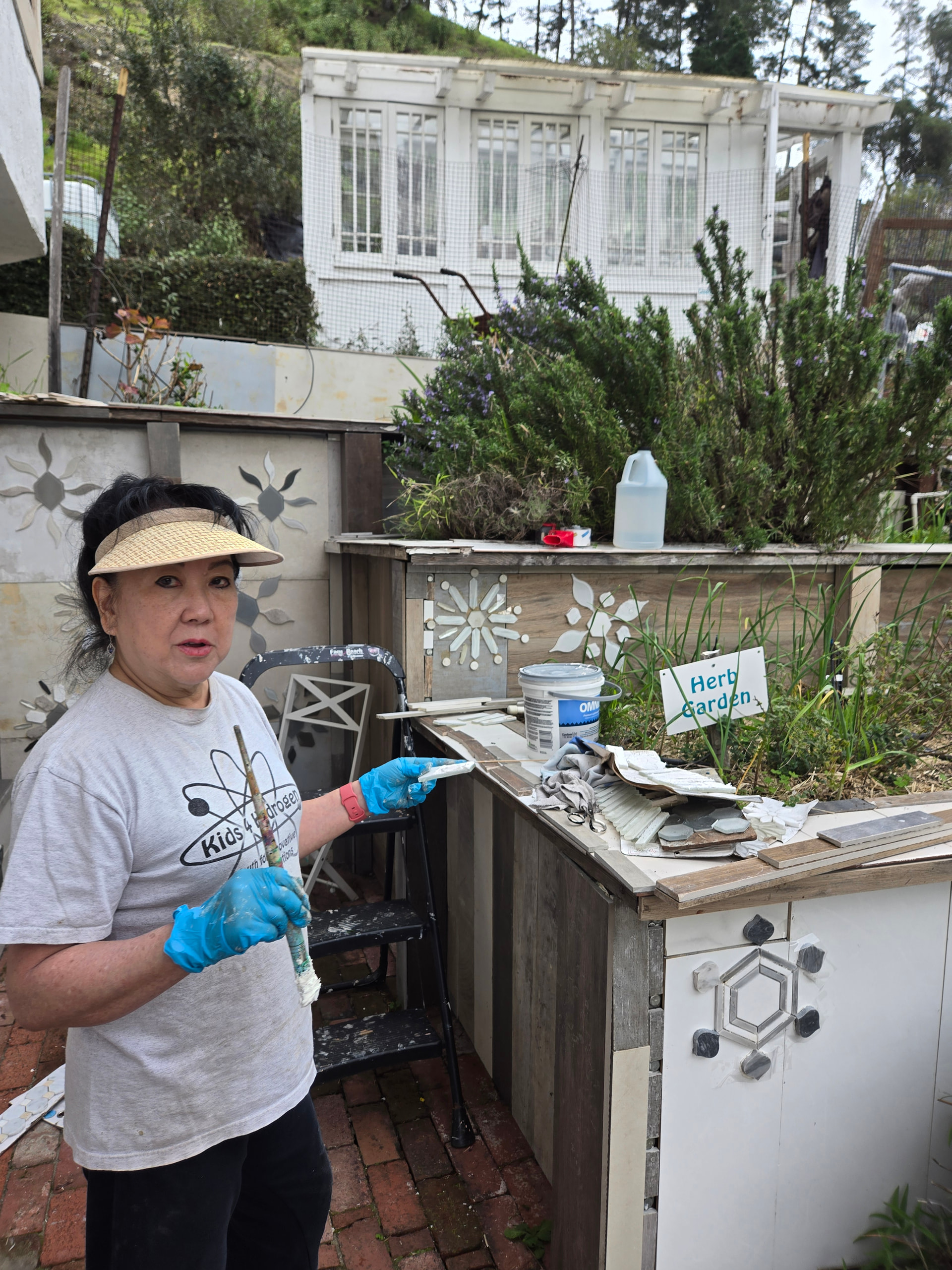
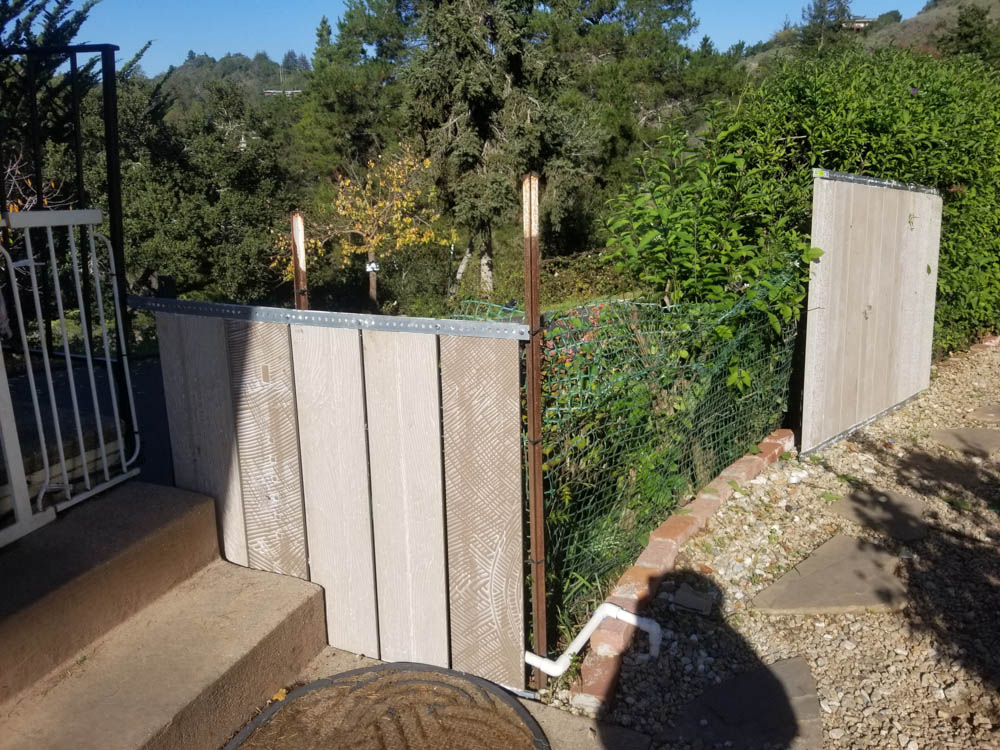
My opinion is that you are best to modify your home so that the problem zones are non-combustible and relocate those hazardous plants such as rosemary. You’re better to replace that 5’ section of wooden fence attached to your home with metal versus spraying it with a retardant annually. As mentioned with fire-retardant paints the IBHS Wildfire Prepared, Safer From Wildfire, and California chapter 7a don’t recognize retardants as home hardening solutions."
****
My take away from this is this:
I am removing my rosemary plant and raking all of the dead leaves that get caught in crevices around my property this weekend. I’ve already removed and replaced wooden fences and hedges around my house with large tiles.